The Death of the “Rejection Letter”
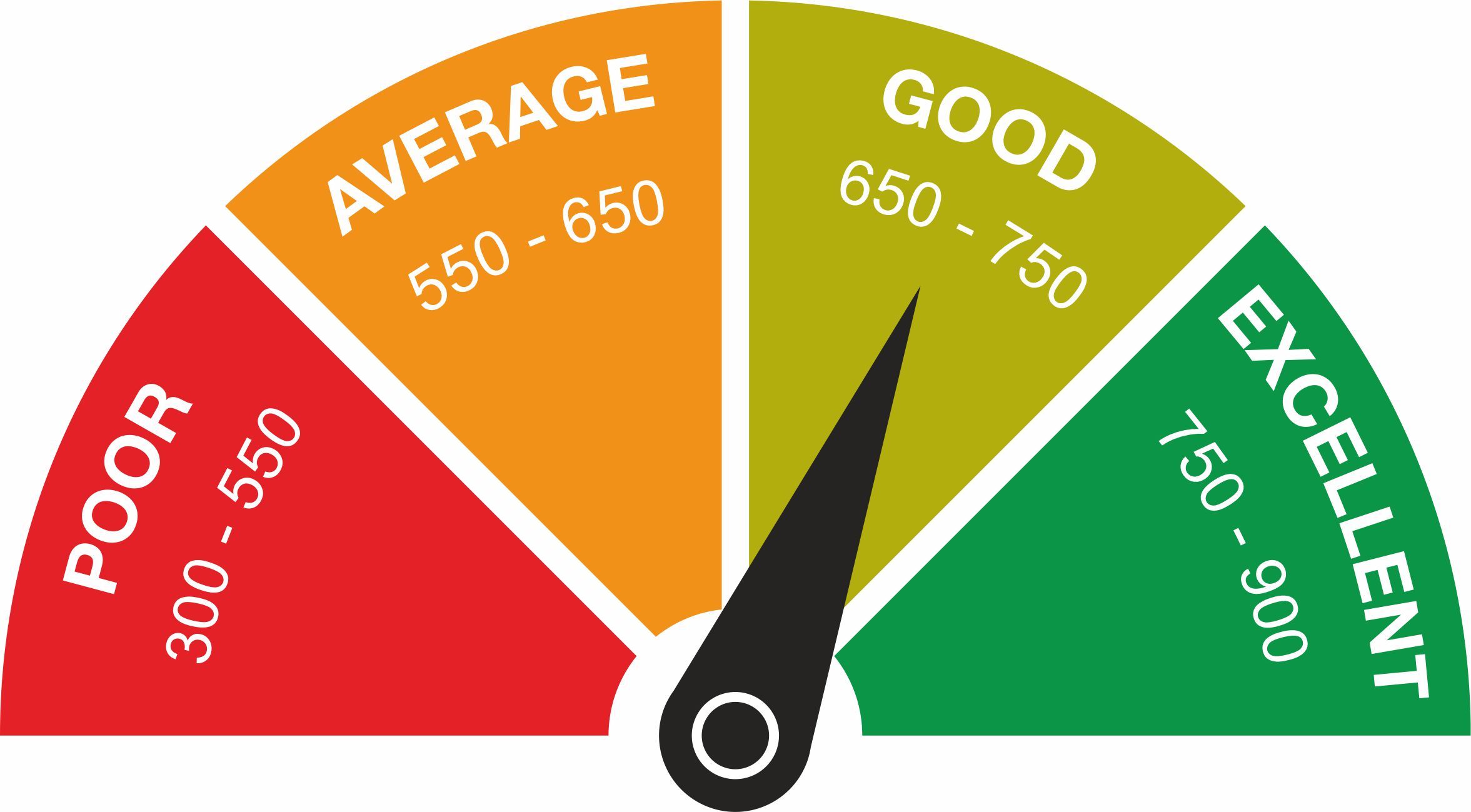
For decades, the Indian middle class lived in fear of the “Rejection Letter.” If your CIBIL score was below 750, or if you were a freelancer with a “thin file,” the bank’s doors were effectively locked. But in 2026, the word “No” is being replaced by “How.”
The lending landscape has shifted from Static Eligibility (what you did in the past) to Predictive Potential (what you will do tomorrow). With the full integration of the Account Aggregator (AA) framework and AI-driven underwriting, lenders are looking at your “Digital Pulse”—your utility bills, your GST filings, and even your consistent SIP payments—to approve loans in seconds. This guide uncovers the hidden mechanics of 2026 lending that traditional banks are only just beginning to embrace.
1. The “Psychometric” Loan: Testing Your Character
In 2026, if you lack a traditional credit history, lenders might ask you to take a 2-minute “Character Test.” This is Psychometric Credit Scoring, a method that uses psychological data to predict financial reliability.
- The Logic: AI models have found a statistical correlation between certain behavioral traits—like consistency, honesty, and risk-aversion—and the likelihood of loan repayment.
- How it Works: Instead of looking at your bank balance, the app asks you a series of non-financial questions or puzzles. Are you a planner? Do you follow through on small tasks?
- The Result: This has unlocked credit for millions of students, homemakers, and rural entrepreneurs who were previously “invisible” to the financial system. It shifts the burden of proof from “What do you own?” to “Who are you?”
2. Cash-Flow Lending: The Freelancer’s Victory
The “Salary Slip” is no longer the king of documentation. In 2026, Cash-Flow Based Lending has taken over, especially for India’s 90 million gig workers and freelancers.
- Real-Time Data Access: By linking your bank account via the Account Aggregator, lenders see your actual income patterns. They no longer require a “Form 16”; they care that you have a steady stream of payments from various clients.
- The UPI Trail: In 2026, your UPI transaction history is a stronger credit signal than a fixed deposit. AI engines analyze the diversity and frequency of your transactions to build a “Surrogate Credit Score.”
- Dynamic Credit Lines: Instead of one large personal loan with a fixed EMI, you get a “Digital Credit Line.” Your limit increases automatically during peak business months and stays low when your income fluctuates, preventing debt traps.
3. “Green” Loans: When Your Assets Pay for Themselves
A “different but true” trend of 2026 is the Self-Liquidating Green Loan. This is where the loan practically pays for itself through the savings the asset generates.
- Solar & EV Focus: Lenders like State Bank of India (SBI) and specialized fintechs like Ecofy are offering massive incentives for Rooftop Solar and Electric Vehicles.
- The Economics of Savings: In 2026, the monthly EMI for a solar panel loan is often lower than the electricity bill it replaces.
- The Truth: You aren’t adding an expense; you are converting a “Monthly Leakage” (the utility bill) into an “Asset Purchase” (the solar panels). Once the loan is paid off in 3–4 years, your electricity is free for the next two decades.
4. Embedded Finance: The “Invisible” Loan
You might get your next loan without ever visiting a lending app. This is Embedded Finance, where credit is woven into the products you already use.
- Contextual Credit: If you are buying a high-end laptop on an e-commerce site, the merchant offers you a custom “Purchase-Linked Loan” based on your 5-year shopping history with them.
- SME Vertical SaaS: For small business owners, their accounting software (like Zoho or Tally) now offers “One-Click Working Capital” because the software already sees their pending invoices and GST records. The loan is “invisible” because it happens inside the business workflow.
5. The Truth About the 2026 Credit Score
The way your score is calculated has changed. In 2026, the RBI mandated Weekly Credit Reporting.
| Old System (Pre-2025) | New System (2026) |
| Monthly reporting to bureaus | Weekly reporting (every 7 days) |
| 30-day delay in score updates | Near real-time score reflection |
| Focus on “Debt-to-Income” | Focus on “Financial Discipline” |
| Manual document submission | Consent-based digital data sharing (AA) |
6. The 2026 Loan Survival Checklist
To get the best rates in this new environment, you must manage your Digital Reputation:
- Activate Account Aggregator: Ensure you are registered on an AA handle (like Sahamati). This allows you to share data securely and avoids “Document Fatigue.”
- Avoid “Soft Default”: Even a 2-day delay in a ₹500 BNPL (Buy Now Pay Later) payment is now reported weekly. Small mistakes haunt you faster than before.
- Audit Your Linked Apps: Check which apps have “Read Access” to your financial data and revoke consent for those you no longer use.
7. FAQ: Truths vs. Myths in 2026
Q: Can I get a loan if I am “New to Credit”?
The Truth: Yes. In 2026, “NTC” (New to Credit) is a specific segment that banks compete for using AI behavioral models and cash-flow data.
Q: Is the “Green Loan” interest rate actually lower?
The Truth: Yes. Because these are “Priority Sector” loans, banks receive government incentives to keep interest rates 1–2% lower than standard personal loans.
Q: Does checking my score frequently lower it?
The Truth: No. Checking your own score (a “Soft Inquiry”) is free and harmless. Only when a lender checks it (a “Hard Inquiry”) does it impact your score.
Conclusion: The Shift from Collateral to Consent
As we move deeper into 2026, the gatekeepers of capital are no longer human bank managers with clipboards; they are algorithms that reward Consistency over Wealth. Whether you are a freelancer in Bangalore or a shopkeeper in Bihar, your ability to provide “Digital Consent” for your data is your new collateral. The loan of the future isn’t about what you can prove on paper—it’s about the trust you’ve built in the digital ecosystem.